Find Your Perfect Island
Owning Your Horizon: Everything That Goes Into It
An island isn’t like any other purchase. It’s several things bundled under one deed — a title, yes, but also access, water supply, storm exposure, and a legal system that may not resemble the one you know. Here’s what that looks like, working from the ground up.
There's no such thing as "island law." Every country sets its own rules on foreign ownership, coastal setbacks, and who controls the maritime zone. Assume nothing transfers from a previous purchase until local counsel confirms it.
Confirming the historical chain of title and that boundaries match the deed matters more on islands than on mainland parcels—records here are often older or less consistently maintained.
Volcanic, coral, continental, and sedimentary—the geology decides how stable the shoreline is and how much erosion you're managing over time.
Elevation drives storm surge exposure and how much usable land sits above flood risk. A low, flat island and a ridged one with real elevation are different assets, even at identical acreage.
Check the island's actual coordinates, not the region's reputation—two islands a hundred miles apart can carry very different risk.
A protected bay changes how you build, how supplies land, and how the island resells.
Well, catchment, or desalination — know which before you evaluate anything else. No reliable source is a dealbreaker regardless of how the island looks.
Off-grid means solar, generator, or both; connection to the outside world ranges from satellite internet to none at all. Neither is a flaw, as long as it matches how you actually intend to use the place.
Reefs, mangroves, and nesting species are often protected by law — and even where they're not, they're usually why the island was worth buying in the first place. Degrade the ecology and you've degraded the asset.
Separate from zoning, this is often required before any construction on ecologically sensitive land, and can be slower and less predictable than the zoning approval itself.
A growing share of buyers aren't chasing a trophy property — they're buying distance from noise and screens. It shows up again once construction starts, in owners who build with the tree cover and tide instead of against them.
To an airport, a marina, a place to restock. This quietly decides whether the island becomes a weekend retreat, a full-time home, or a hospitality project.
Confirm what's legally buildable before anyone draws plans around an assumption.
A separate approval from the land title itself, usually through a different government body — worth surfacing early, before it becomes a bottleneck.
An island doesn't run itself. Caretaking, security, groundskeeping, and basic maintenance need someone on-site or nearby, and depending on how remote the island is, that can mean housing staff on the property itself — a real operating cost that doesn't show up in the purchase price.
Personal name, foundation, or corporation. The choice shapes succession, liability, and tax, and should be structured with local counsel rather than by habit.

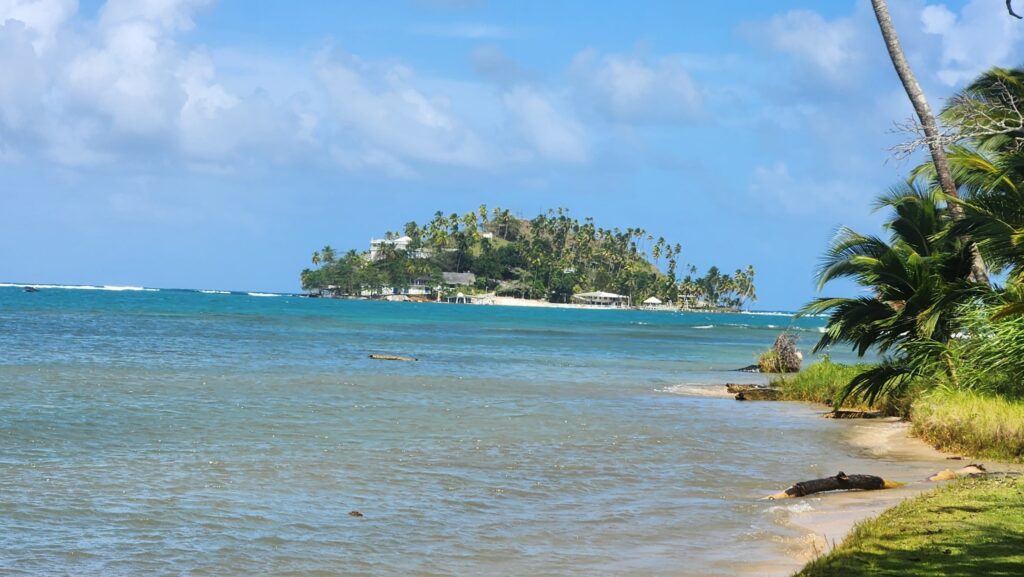
Land can be made, this can't. Whether you're looking to develop or simply to hold one, this is what you need to know before either.